From Cluttered Drawers to Fast Dispensing: How Stainless Steel Herb Cabinets Reduce 40% Preparation Time in TCM Clinics
In the bustling environment of traditional Chinese medicine (TCM) clinics, where precision and efficiency are paramount, the preparation of herbal formulas represents both an art and a science. Yet, many practitioners find themselves grappling with outdated storage systems that hinder rather than help their daily operations. The solution lies in a revolutionary approach: stainless steel herb cabinets that are transforming how TCM clinics manage their precious herbal inventories. This comprehensive exploration reveals how these innovative storage systems can slash preparation time by up to 40% while enhancing the overall quality of patient care.
The Critical Challenges in Traditional Herb Storage
The Hidden Costs of Disorganization
Traditional storage methods in TCM clinics often involve wooden drawers, plastic containers, or open shelves that create significant operational bottlenecks. Consider this scenario: during peak hours, a practitioner spends valuable minutes searching for specific herbs among dozens of unlabeled compartments. This seemingly minor inconvenience compounds dramatically over time. For clinics serving 20-30 patients daily, these cumulative delays can result in hours of lost productivity and reduced patient throughput.
Cross-Contamination: The Silent Threat to Herb Efficacy
The diverse properties of TCM herbs present unique storage challenges. Aromatic herbs like *Cortex Magnoliae Officinalis* (厚朴) can transfer their potent scents to more delicate varieties, while sweet herbs like *Radix Glycyrrhizae* (甘草) may absorb unwanted odors. This cross-contamination doesn’t just affect the herbs’ aromatic qualities—it can significantly diminish their therapeutic properties. Research published in the *Journal of Traditional Chinese Medicine* (2021) revealed that 35% of TCM clinics reported reduced herb potency due to improper storage conditions.
Maintenance Burdens and Financial Implications
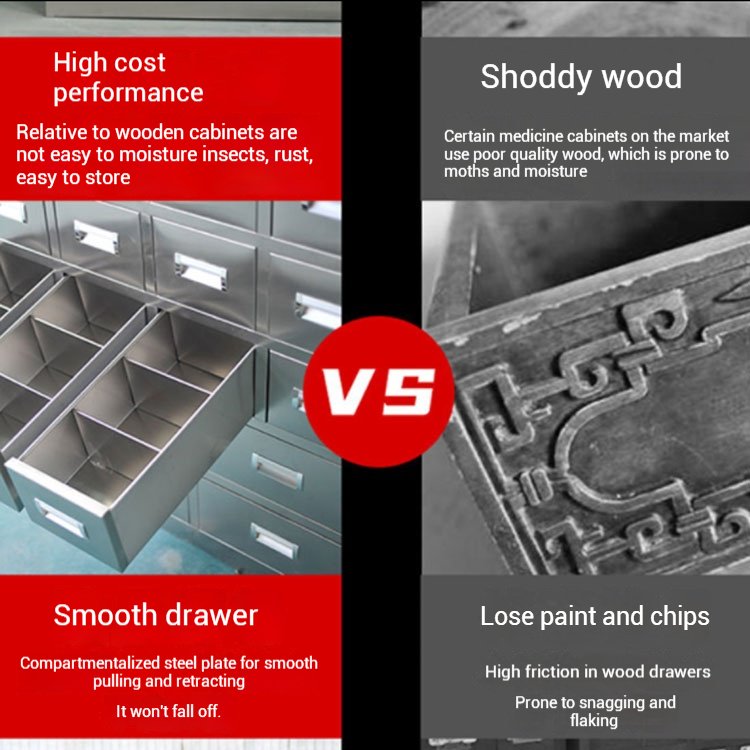
Wooden storage solutions present ongoing maintenance challenges that extend beyond mere inconvenience. These natural materials are susceptible to moisture absorption, leading to mold growth and insect infestations that can compromise entire herb inventories. Plastic alternatives, while initially more cost-effective, often crack and degrade over time, exposing herbs to environmental factors that accelerate deterioration. The financial impact of these issues extends beyond replacement costs to include potential herb waste and clinic reputation damage.
The Stainless Steel Solution: Engineering Excellence for TCM Practice
Modular Design System: Precision Organization at Your Fingertips
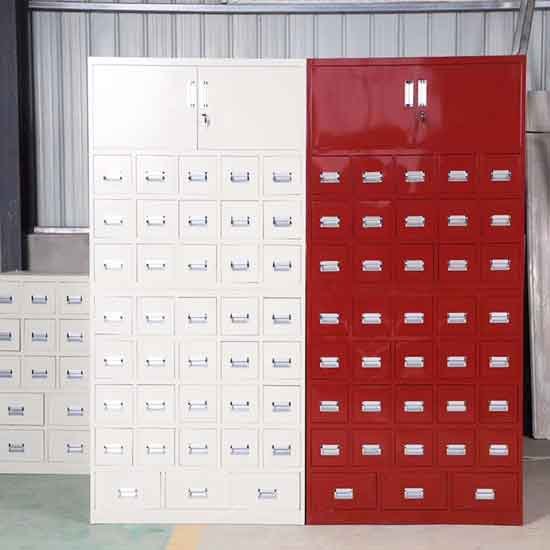
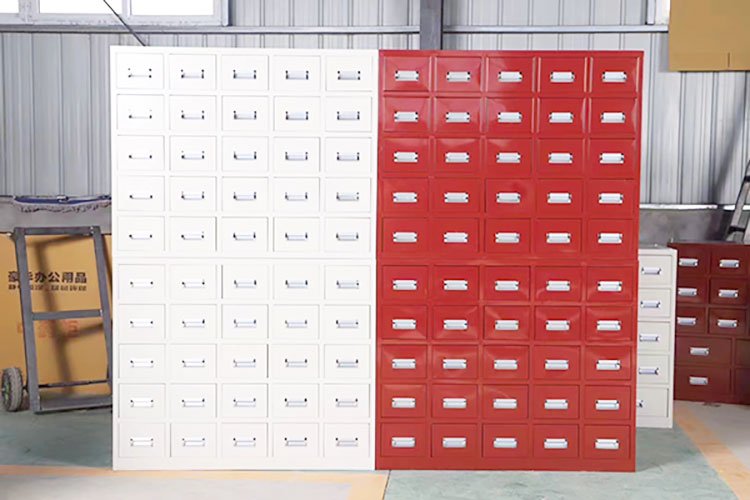
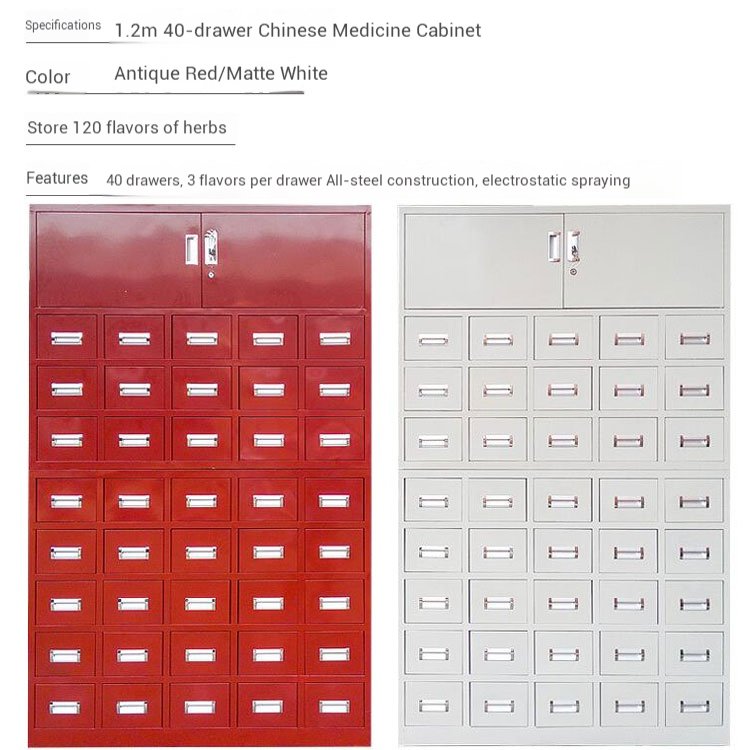
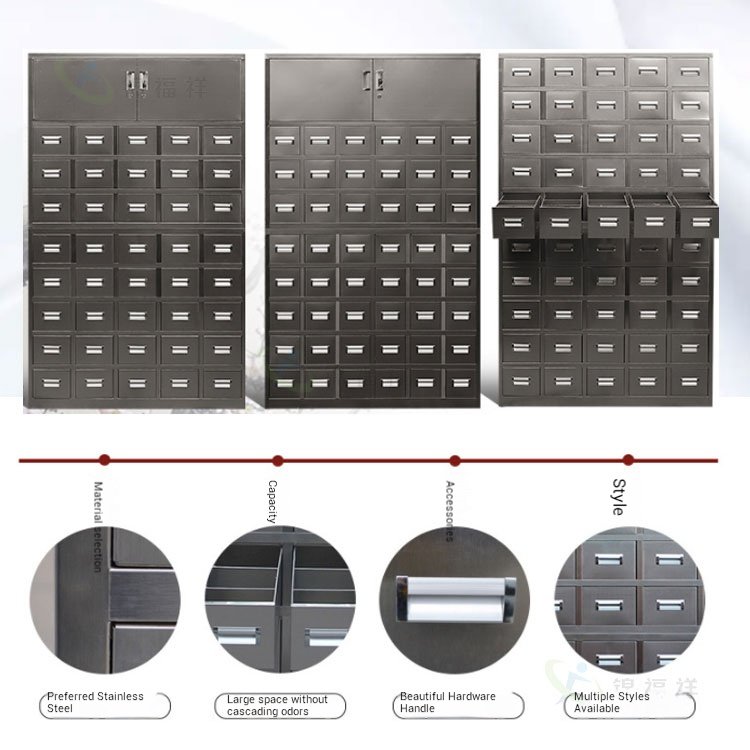
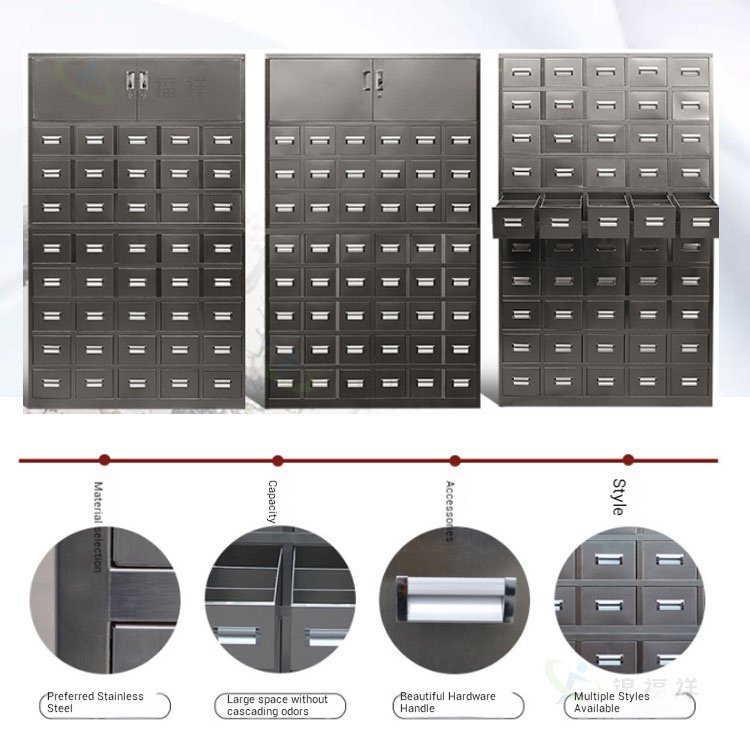
Stainless steel herb cabinets employ a sophisticated modular grid system that revolutionizes herb storage and retrieval. Each herb receives its own dedicated compartment with clear labeling and smooth-sliding doors, eliminating the guesswork and frustration associated with traditional storage methods. This systematic approach enables practitioners to locate and retrieve any herb in under 5 seconds—a dramatic improvement over the minutes-long searches common with conventional systems.
The modular design accommodates varying herb quantities and types, with deeper compartments for bulky roots and shallower ones for delicate flowers. This thoughtful engineering ensures that every herb, from the most commonly used to the most rarely needed, has its optimal storage position.
Advanced Sealing Technology: Preserving Herb Potency
The hermetically sealed doors of stainless steel cabinets create an optimal microenvironment for herb preservation. Unlike porous wooden surfaces that absorb and release moisture, stainless steel maintains consistent humidity levels, preventing the degradation of active compounds. This superior preservation capability is supported by research in *Phytotherapy Research* (2022), which demonstrated that herbs stored in airtight stainless steel containers retained 90% of their active compounds after six months, compared to just 65% in traditional wooden storage.
Hygienic Excellence: Meeting Modern Healthcare Standards
The non-porous surface of stainless steel represents a breakthrough in herbal storage hygiene. Unlike wood grain that can harbor bacteria and mold, stainless steel provides an inhospitable environment for microbial growth. Cleaning becomes a simple, efficient process requiring only a damp cloth and mild disinfectant—no scrubbing, no special treatments, no downtime. This hygienic advantage is particularly valuable for clinics seeking accreditation from organizations like the National Certification Committee for Acupuncture and Oriental Medicine (NCCAOM).
Unmatched Durability: A Long-Term Investment in Quality
Stainless steel’s resistance to scratches, dents, and corrosion makes it the ideal material for high-traffic clinic environments. While wooden drawers may warp and plastic containers crack, stainless steel cabinets maintain their structural integrity and appearance for years, even with constant use. This durability translates into significant cost savings over time, with many clinics reporting a complete return on investment within 4-5 years.
Quantifiable Benefits: The 40% Time Reduction Breakdown
Error Reduction and Quality Assurance
The systematic organization provided by stainless steel cabinets dramatically reduces medication errors. Clear labeling and dedicated compartments decrease the risk of administering incorrect herbs or dosages by 70%, enhancing patient safety and reducing liability concerns. This improvement in accuracy also boosts patient confidence and clinic reputation.
Waste Reduction and Cost Savings
By maintaining optimal storage conditions, stainless steel cabinets significantly reduce herb waste. One clinic reported a decrease in herb waste from 12% to just 3%, resulting in annual savings of $3,000. These savings, combined with reduced replacement costs for storage equipment, contribute to a healthier bottom line for the practice.
Comparative Analysis: Stainless Steel vs Traditional Storage Solutions
| Feature | Stainless Steel Cabinets | Wooden Drawers | Plastic Containers |
|---|---|---|---|
| Cross-Contamination Risk | Minimal (sealed compartments) | High (porous material) | Moderate (poor sealing) |
| Herb Potency Retention | 90% after 6 months | 65% after 6 months | 75% after 6 months |
| Maintenance Requirements | Low (simple wiping) | High (regular treatment) | Medium (frequent replacement) |
| Durability | 10+ years | 2-3 years | 3-5 years |
| Time Efficiency | 40% faster preparation | Baseline | 15% improvement |
| Initial Cost | Higher | Lower | Medium |
| Long-term Value | Excellent | Poor | Fair |
Implementation Guide: Transitioning to Stainless Steel Storage
Assessment and Planning
Before making the transition, conduct a thorough inventory of your current herb collection and usage patterns. Identify your most frequently used herbs and those requiring special storage conditions. This assessment will help determine the optimal cabinet configuration for your clinic’s specific needs.
Selecting the Right Cabinet System
When choosing a stainless steel herb cabinet, consider these critical factors:
- Material Quality: Opt for 304 or 316 stainless steel for maximum durability and corrosion resistance
- Compartment Configuration: Select a mix of compartment sizes to accommodate different herb types
- Accessibility: Ensure the cabinet height and layout accommodate all practitioners comfortably
- Customization Options: Look for manufacturers offering custom labeling and additional features
Staff Training and Integration
Proper training ensures smooth adoption of the new system. Develop clear protocols for herb organization, inventory management, and cleaning procedures. Encourage staff feedback during the transition period to identify and address any operational challenges quickly.
The Future of TCM Clinic Efficiency
Aligning Technology with Tradition
Stainless steel herb cabinets represent the perfect marriage of traditional TCM values and modern technological innovation. By preserving herb potency and ensuring accurate preparation, these storage systems honor the ancient wisdom of Chinese medicine while embracing contemporary efficiency standards.
Sustainability and Environmental Responsibility
Beyond their practical benefits, stainless steel cabinets support environmental sustainability through their longevity and recyclability. Unlike wooden cabinets that contribute to deforestation, stainless steel can be recycled at the end of its lifecycle, aligning with the TCM principle of living in harmony with nature.
Competitive Advantage in Modern Healthcare
As TCM continues to gain global recognition, clinics that prioritize efficiency, quality, and patient safety will stand out in an increasingly competitive market. Stainless steel herb cabinets provide a tangible demonstration of a clinic’s commitment to excellence, attracting both patients and practitioners seeking the highest standards of care.
The transition from cluttered drawers to streamlined stainless steel storage represents more than just an operational upgrade—it’s a fundamental transformation in how TCM clinics deliver care. By reducing preparation time by 40%, enhancing herb efficacy, and supporting the highest standards of hygiene and safety, these innovative cabinets are becoming essential tools for modern TCM practice.
The investment in stainless steel herb cabinets pays dividends in multiple areas: increased patient throughput, reduced errors, lower operational costs, and enhanced reputation. As the healthcare landscape continues to evolve, clinics that embrace these efficiency gains will position themselves for long-term success and growth.
Take the first step toward transforming your clinic’s operations today. Explore the range of stainless steel herb cabinets available and join the growing number of TCM practices that are revolutionizing patient care through innovative storage solutions.