Answer These Three Questions Before You Start
Before you look at any supplier catalogs, get clear on these three things. Everything else gets easier from there.
Question 1: How many different herbs do you store at each location?
This determines how many drawers and compartments you actually need.
Rough breakdown:
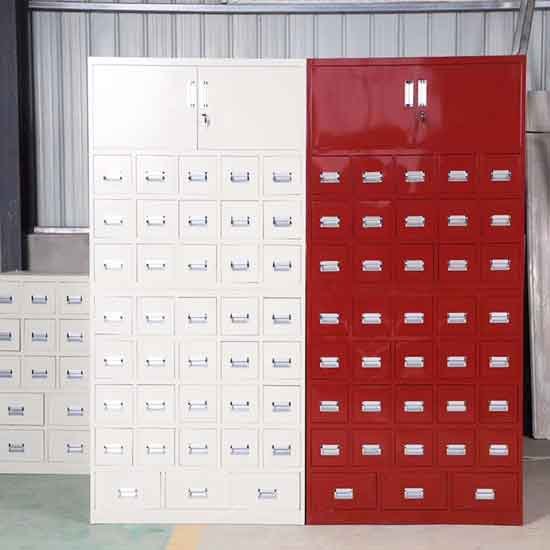
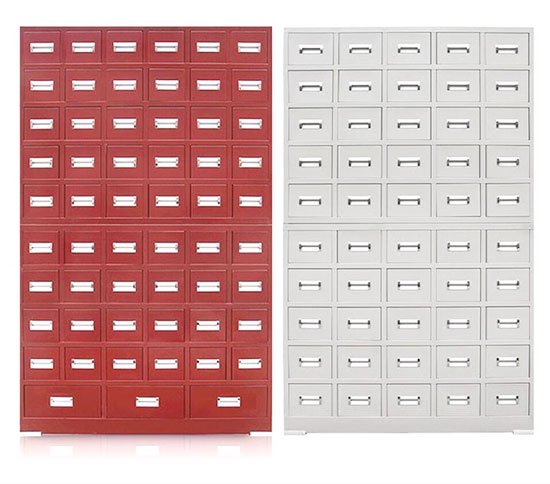
- Under 50 herb types → a 25-drawer cabinet covers most needs
- 50-100 types → consider 40-drawer units or a combination of cabinets
- Over 100 types → you need a full pharmacy layout, not just one cabinet
Question 2: How many locations do you have, and how many are you planning to open?
This shapes your specs and your MOQ requirements.
Running 5 stores with plans to reach 20 is a completely different situation from opening your first location with no expansion roadmap yet.
Question 3: Who controls the purchasing decision?
Are you the decision-maker, or does the purchase need to go through a hospital or group procurement approval process?
If it needs approval, specs need to be locked in early — you can’t change them mid-process. If you’re buying directly, you have more flexibility, but build that flexibility into your plan.
Right Herb Storage Cabinet for Your TCM Clinic Chain Material: Stainless Steel or Wood?
This is the question buyers ask most often. The answer isn’t one-size-fits-all — it depends on your environment and your management needs.
Stainless steel is the better choice when:
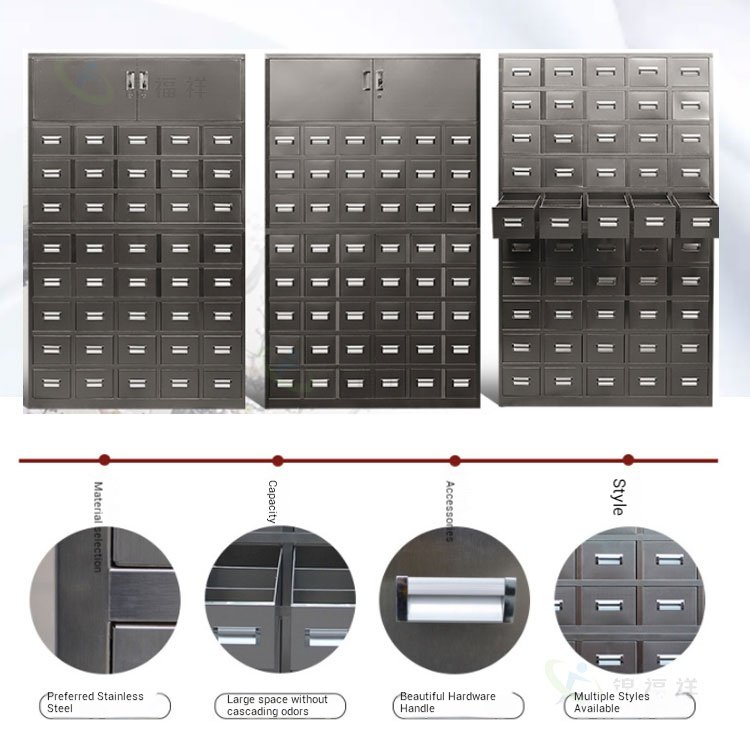
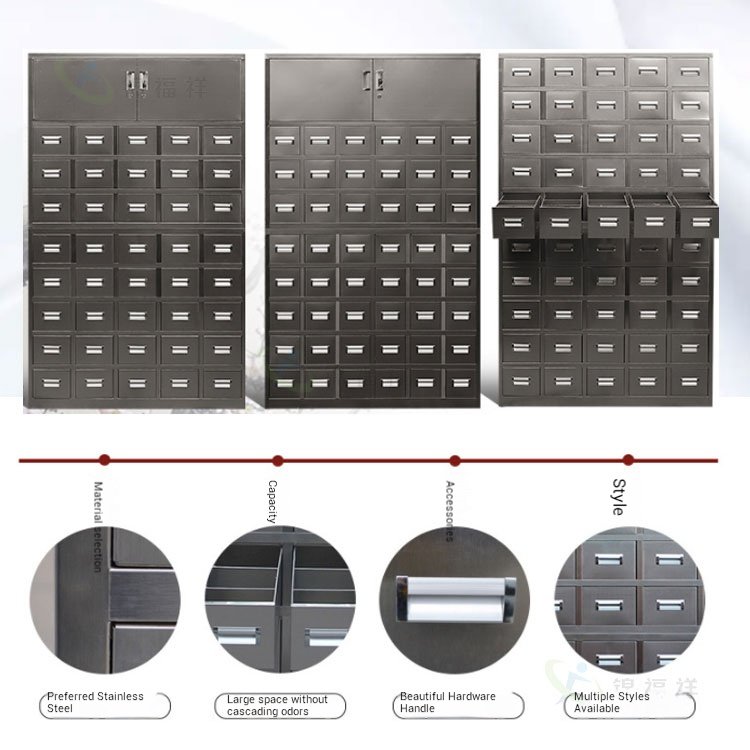
You operate in southern cities, coastal regions, or anywhere with high humidity. Stainless steel doesn’t absorb moisture. Wood cabinets develop mold problems in humid seasons, and your herb storage suffers.
Your clinic uses regular disinfection protocols. Disinfectant wipes clean off stainless steel without damaging the surface. Wood cabinets degrade over time when exposed to harsh cleaning agents.
You run a chain brand and want consistent visual identity across all locations. Same specs, same finish, same look at every store.
Wood can work when:
Budget is tight and you’re managing a small number of locations. Wood cabinets cost less upfront.
Your target markets are in northern dry regions. In dry climates, the lifespan gap between wood and stainless steel narrows significantly — budget may matter more than material.
The practical advice:
If you’re already running stainless steel cabinets at your existing locations, order the same specs for new stores. Don’t mix materials. Unified specs mean unified management, unified spare parts, unified look.

What to Look for in Dimensions and Drawer Design
On dimensions:
Standard sizes like H1000 × W1200 × D500mm fit most mid-size clinics.
But measure your actual space first. How wide are your clinic doors? Is the hallway clear enough for a cabinet to get through? Leave margin — measure twice, order once.
Non-standard sizes are possible, but consider the trade-offs:
- Non-standard sizes cost more than standard specs- Production lead time is longer
- Replacement and repair become more expensive and complicated down the road
On drawer design:
The number of compartments per drawer matters more than the total drawer count.
Same 25-drawer cabinet can come with:
- 3 compartments per drawer → 75 independent slots
- 2 compartments per drawer → 50 independent slots
More compartments means finer organization, but each compartment is smaller. Match the compartment count to your actual herb sizes.
Label slots are standard on most cabinets. Confirm what label paper size they use — some suppliers use non-standard slots that only accept their own replacement labels.
How to Vet Suppliers
Chain buyers can’t just pick the lowest price. Evaluate suppliers across these dimensions:
Qualifications and track record
How long have they been in business? Do they have comparable cases in your industry? Which countries have they exported to?
Before committing, ask for:
- Product photos (real photos, not renderings)
- Evidence of similar orders (other chain buyers in your space)
Capacity to work with you
Can they meet your MOQ? Are they willing to accept small trial orders? What’s their sample approval process?
Chains expand quickly — you might order 5 units today and 20 in six months. Can your supplier keep up with that pace?
Delivery and after-sales
What’s their production lead time? What happens if they miss the deadline? Who do you contact when something arrives damaged?
For overseas orders, confirm FOB or CIF terms and whether their packaging meets your destination country’s import standards.
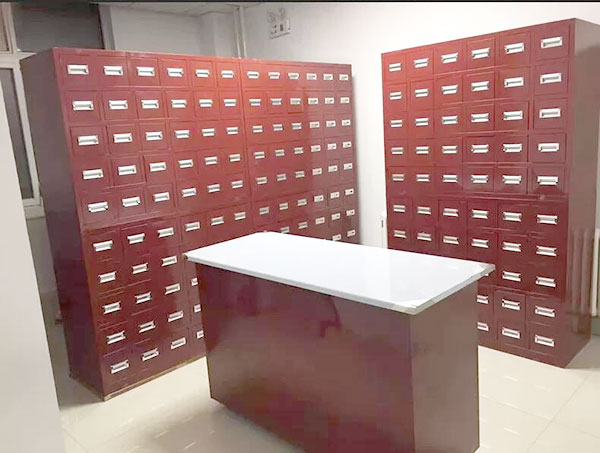
What to Watch for in Bulk Orders
Don’t overload your first order
When working with a new supplier, start with 2-5 units. Evaluate the actual product quality, their communication, and whether they hit their delivery window.
Once those checks pass, scale up with confidence.
Lock your specs and save the drawings
Confirm specs on your first order, then ask the supplier for a product drawing and keep it on file. Next time you reorder, send the drawing — no need to reconfirm dimensions, saves hours of back-and-forth.
Get everything in the contract
Bulk orders involve real money. Write these terms into the contract:
- Exact specs and quantity
- Unit price and total price
- Delivery date (with acceptable margin for delay)
- Inspection standards (how are cosmetic defects counted?)
- What happens if quality issues come up
Verbal agreements don’t count. Get it in writing.
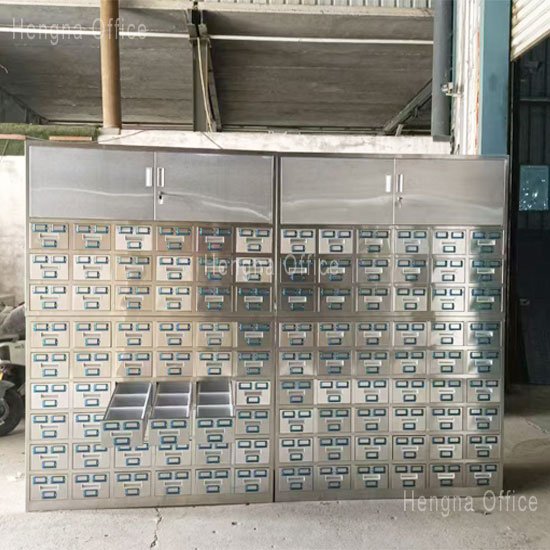
Procurement Checklist
Run through this before you finalize your selection:
| Check Item | Your Answer |
|---|---|
| Number of locations | Currently ___, planning ___ |
| Herb types per location | ___ types |
| Target cabinet specs | H___ × W___ × D___mm |
| Compartments per drawer | 2 / 3 / Other |
| Target supplier | ____________ |
| MOQ requirement | ___ units minimum |
| Budget range | Unit ___ / Total ___ |
| Delivery deadline | ___ (month) ___ (year) |
| Approval process | Self-decided / Requires approval |
Final Word
Herb storage cabinets are a long-term investment. The right choice lasts 10 years. The wrong one creates ongoing headaches.
For chain operators, the biggest risk is inconsistent specs across locations — 10 stores running 5 different cabinet models means multiplied management costs and a parts inventory nightmare.
So before you compare prices, standardize your specs. Once specs are locked, finding a supplier that matches your MOQ and delivery requirements becomes a much simpler problem to solve.