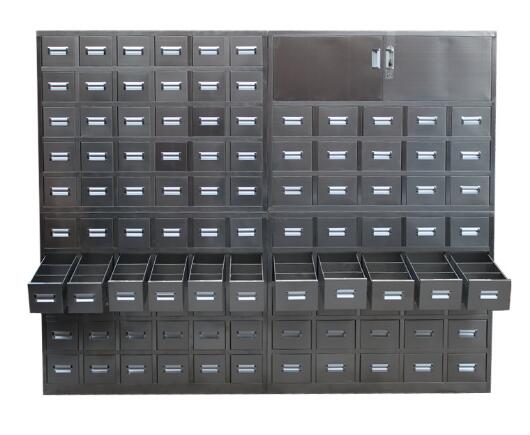
Stop Herb Cross-Contamination: Why Stainless Steel TCM Cabinets Are Becoming Standard in Professional Dispensaries
In the fast-paced world of traditional Chinese medicine (TCM) dispensaries, efficiency and safety are non-negotiable. Every day, practitioners handle hundreds of herbs—from delicate ginseng to pungent ginger—and even a small mistake can compromise patient health or business reputation. One of the most critical tools in preventing herb cross-contamination is the humble cabinet—but not just any cabinet. As more dispensaries prioritize quality and compliance, stainless steel TCM cabinets are emerging as the industry standard. Here’s why.
The Hidden Risk of Traditional Cabinets
For years, many TCM dispensaries relied on wooden or plastic cabinets to store herbs. While these materials may seem affordable upfront, they pose serious risks:
- Absorption of Odors and Moisture: Wood and plastic are porous, meaning they absorb the strong smells and moisture from herbs. Over time, this leads to “cross-odor contamination”—where one herb’s aroma seeps into another, altering their natural properties. For example, storing fragrant chrysanthemum next to pungent garlic can ruin both herbs’ efficacy.
- Bacterial Growth: Moisture trapped in porous materials creates a breeding ground for bacteria and mold. This is especially dangerous for dried herbs, which can harbor harmful pathogens if stored improperly.
- Durability Issues: Wooden cabinets warp or crack with humidity, while plastic ones break easily under heavy use. Constant repairs or replacements disrupt workflow and increase long-term costs.
These risks aren’t just theoretical—studies show that improper storage is a leading cause of herb degradation in TCM practices. For dispensaries aiming to provide safe, effective treatments, traditional cabinets are no longer viable.
Why Stainless Steel Is the Solution
Stainless steel TCM cabinets address every flaw of traditional options. Let’s break down their key benefits:
1. Non-Porous Material Prevents Contamination
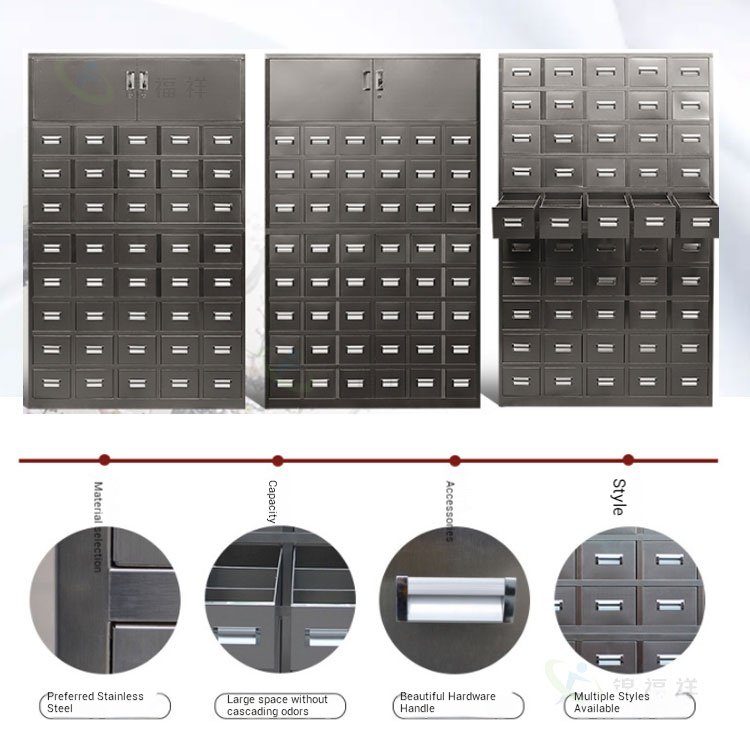
Stainless steel is inherently non-porous, meaning it doesn’t absorb odors, moisture, or bacteria. When you store herbs in a stainless steel cabinet, each drawer remains isolated—no cross-odor transfer, no mold growth, and no risk of chemical reactions between herbs. This is critical for preserving the integrity of TCM formulas, where precise combinations of herbs determine treatment success.
2. Easy Cleaning and Maintenance
Unlike wood or plastic, stainless steel wipes clean with a damp cloth and mild detergent. There are no hidden crevices for dirt or residue to accumulate, so you can sanitize the cabinet regularly without damaging the material. This saves time (no need for deep cleaning) and ensures your herbs stay pure.
3. Durability That Lasts
Stainless steel is resistant to scratches, dents, and corrosion—even in humid environments like TCM pharmacies. A high-quality stainless steel cabinet can last for decades, making it a cost-effective investment compared to replacing flimsy plastic or warping wood cabinets every few years.
4. Customizable for Any Dispensary
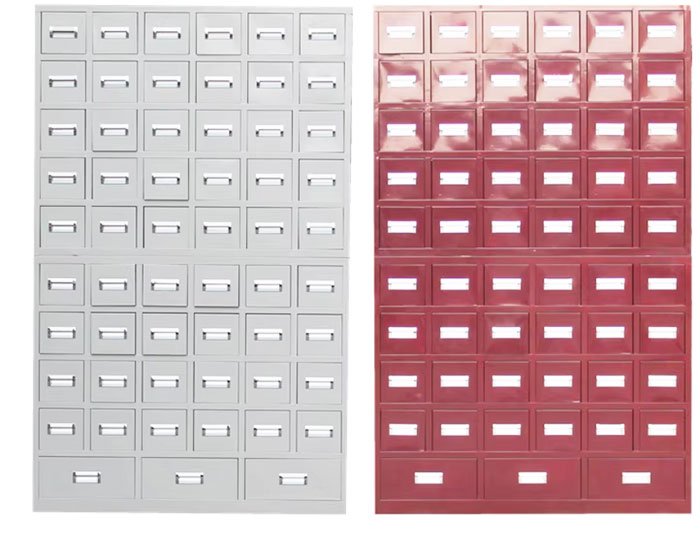
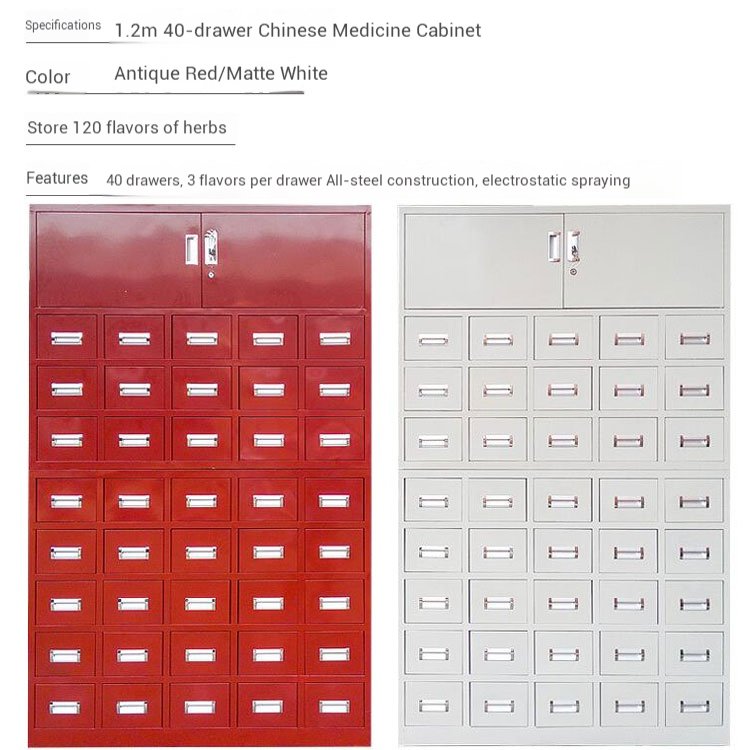
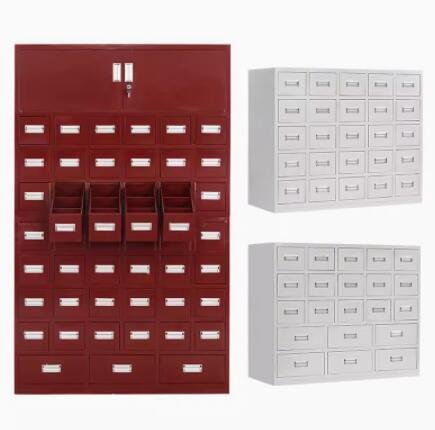
Modern stainless steel TCM cabinets come in various styles and sizes to fit your space. Whether you run a small clinic or a large hospital pharmacy, you can choose from:
- Single-Door vs. Double-Door: For easy access to frequently used herbs.
- Multiple Drawers: To organize herbs by category (e.g., roots, leaves, flowers).
- Stackable Units: To maximize vertical space in tight areas.
Some models even include features like lockable drawers (for controlled substances) or transparent fronts (for quick identification)—tailoring the cabinet to your specific needs.
Comparison: Stainless Steel vs Traditional Cabinets
| Feature | Stainless Steel Cabinets | Wooden/Plastic Cabinets |
|---|---|---|
| Material | Non-porous, rust-resistant | Porous, absorbs moisture |
| Cross-Contamination Risk | Virtually zero | High risk of odor and bacteria transfer |
| Cleaning | Easy wipe-clean surface | Difficult to clean thoroughly |
| Durability | Decades of use | 2-5 years average lifespan |
| Customization | Multiple configurations available | Limited options |
| Long-term Cost | Higher upfront, lower total cost | Lower upfront, higher replacement costs |
Real-World Results: What Practitioners Are Saying
Don’t just take our word for it—here’s what TCM professionals have to say about switching to stainless steel cabinets:
*“Before, our wooden cabinets absorbed all the herb smells. Patients would complain that their formulas tasted ‘off.’ Since we switched to stainless steel, our herbs stay fresh, and our customers trust us more.”* — Dr. Li, TCM Practitioner, Shanghai
*“We have over 500 herbs in stock, and stainless steel cabinets keep them organized and odor-free. It’s made our dispensing process 30% faster!”* — Ms. Wang, Pharmacy Manager, Beijing
These testimonials highlight a common theme: stainless steel cabinets improve both patient outcomes and operational efficiency.
How to Choose the Right Stainless Steel TCM Cabinet
Not all stainless steel cabinets are created equal. Here’s what to look for when shopping:
- Grade of Stainless Steel: Opt for 304 or 201 stainless steel, which are rust-resistant and food-safe (critical for handling herbs). Avoid lower grades that may corrode over time.
- Drawer Design: Look for smooth-gliding drawers with secure latches to prevent accidental opening. Some models feature soft-close mechanisms for added convenience.
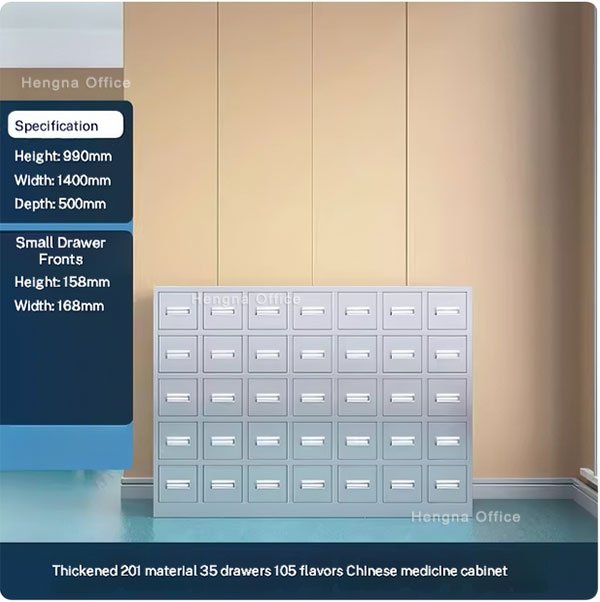
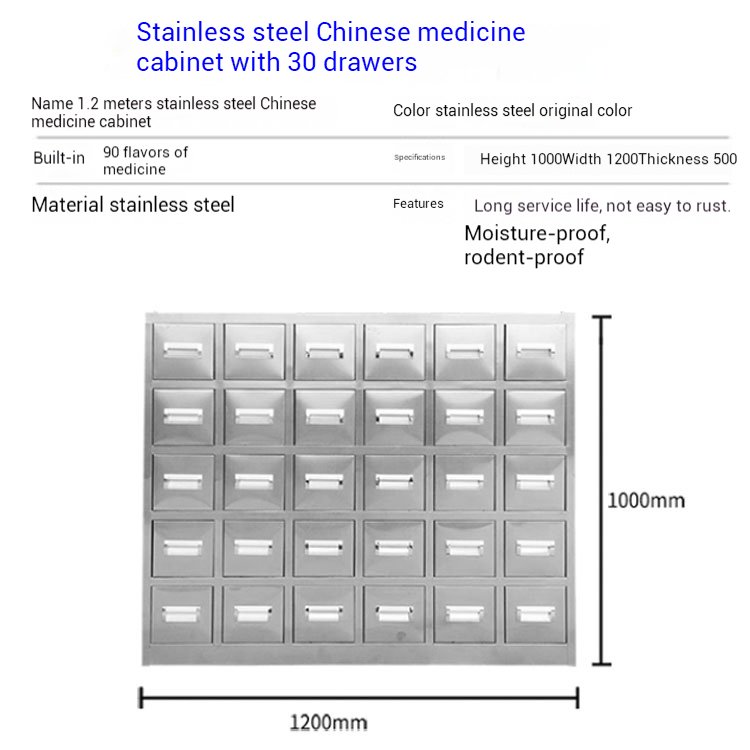
- Size and Capacity: Measure your space and estimate how many herbs you need to store. Choose a cabinet with enough drawers to accommodate your inventory without overcrowding.
- Brand Reputation: Select a manufacturer with experience in TCM equipment. They understand the unique needs of dispensaries and offer warranties for peace of mind.
Implementation Checklist
When upgrading to stainless steel TCM cabinets, follow this checklist for a smooth transition:
- Assess Your Current Storage Problems
- Identify contamination issues
- Document workflow inefficiencies
- Calculate replacement frequency of current cabinets
- Measure Your Space
- Take accurate measurements of available area
- Consider door clearance and ventilation requirements
- Plan for future expansion needs
- Select the Right Configuration
- Determine drawer quantity needed
- Choose between single or double-door options
- Consider special features (locks, transparency, etc.)
- Plan the Transition
- Schedule installation during low-traffic periods
- Prepare herb inventory for temporary storage
- Train staff on new cabinet usage and cleaning procedures
- Implement New Protocols
- Update cleaning schedules
- Create herb organization system
- Document maintenance procedures
In the TCM industry, cross-contamination isn’t just a minor issue—it’s a threat to patient health and business sustainability. Stainless steel TCM cabinets eliminate this risk by providing a clean, durable, and customizable solution. By upgrading to stainless steel, you’re not just buying a cabinet—you’re investing in the future of your practice.
The benefits are clear: improved herb quality, enhanced patient safety, increased operational efficiency, and long-term cost savings. As the TCM industry continues to professionalize and standardize, stainless steel cabinets are no longer a luxury—they’re a necessity for any serious dispensary.
Ready to make the switch? Contact a reputable TCM equipment supplier today to learn more about stainless steel TCM cabinets and take the first step toward a safer, more efficient dispensary.