Steel vs. Wooden Herbal Cabinets: Which Is Better for Herbalists?
Introduction
Herbalists need reliable storage for medicinal herbs. Steel herbal cabinets and wooden herbal cabinets offer distinct advantages. Choosing between them impacts herb preservation, workspace efficiency, and long-term costs. This guide compares both options to help herbalists make informed decisions.
Durability and Longevity
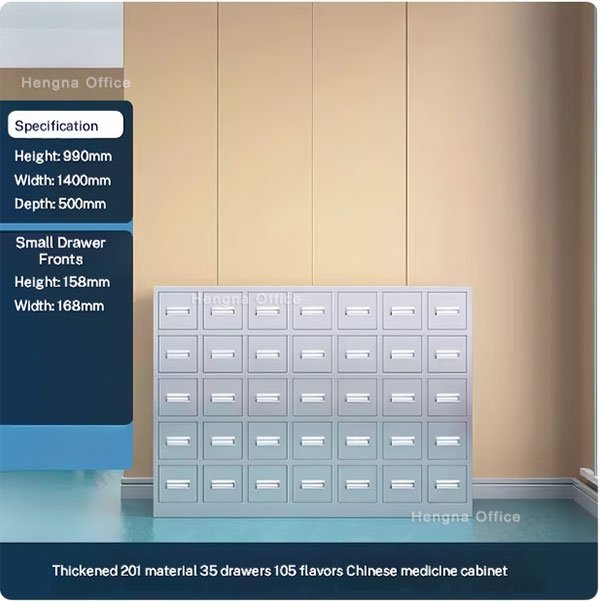
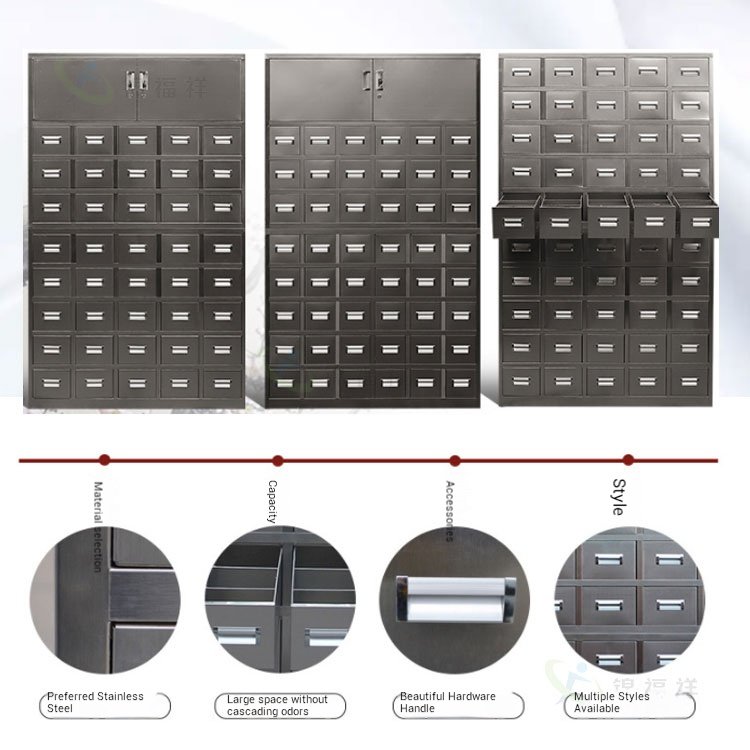
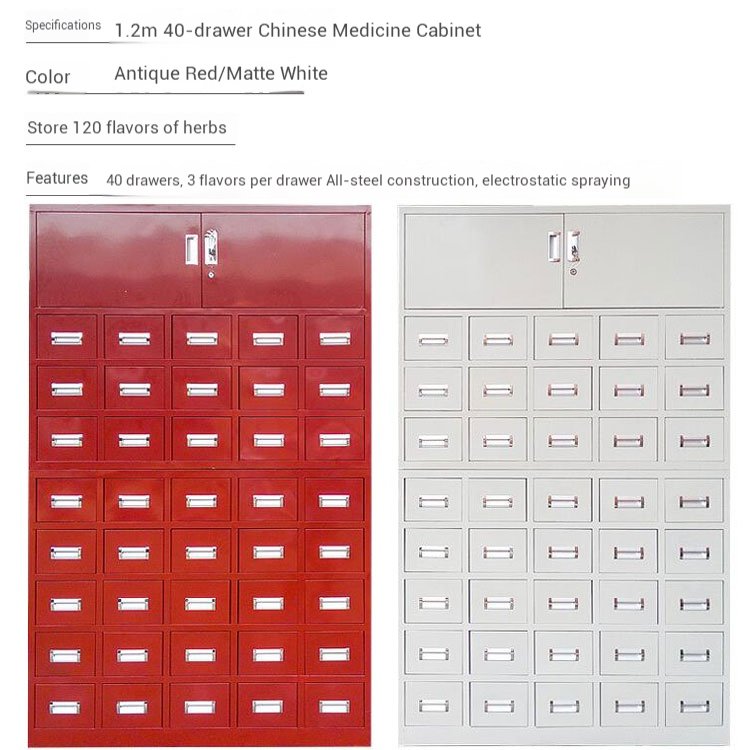
Steel herbal cabinets excel in durability. Made from corrosion-resistant materials like stainless steel, they withstand moisture, pests, and temperature fluctuations. Stainless steel cabinets resist rust and chemical damage, ensuring herbs remain uncontaminated. Wooden herbal cabinets, while aesthetically pleasing, are prone to warping, cracking, and pest infestations over time. Steel herbal cabinets often last decades with minimal degradation, making them ideal for high-humidity environments.
Hygiene and Maintenance
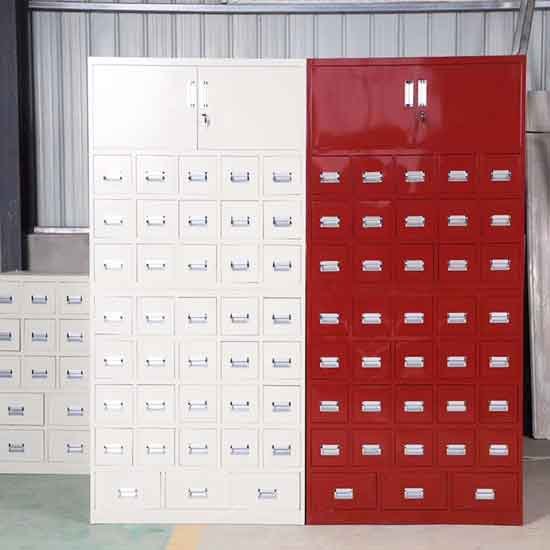
Hygiene is critical for herbal storage. Steel herbal cabinets feature non-porous surfaces, preventing bacterial growth and mold. Cleaning requires only simple wipes, saving time and effort. Wooden herbal cabinets absorb moisture and essential oils, creating breeding grounds for microbes. Regular sanding and sealing are needed to maintain hygiene, increasing labor costs. For herbalists prioritizing sterility, steel herbal cabinets provide superior protection.
Customization and Functionality
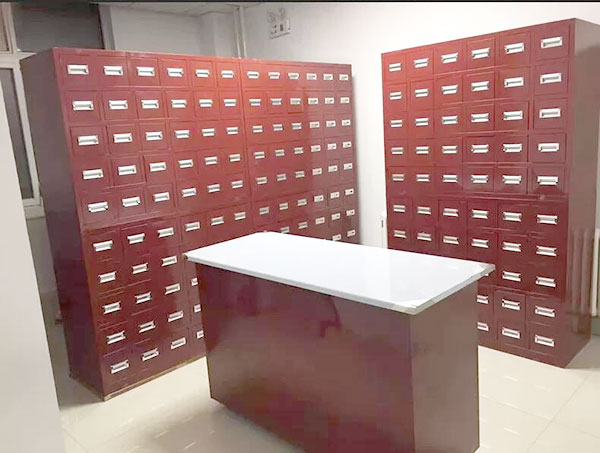
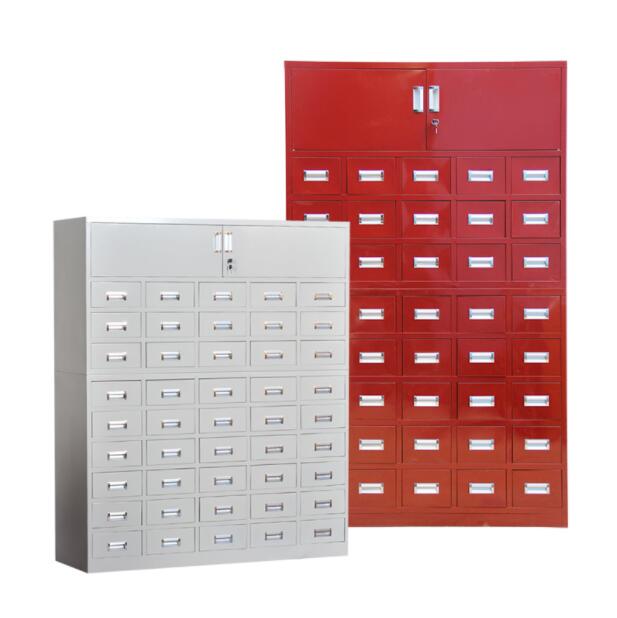
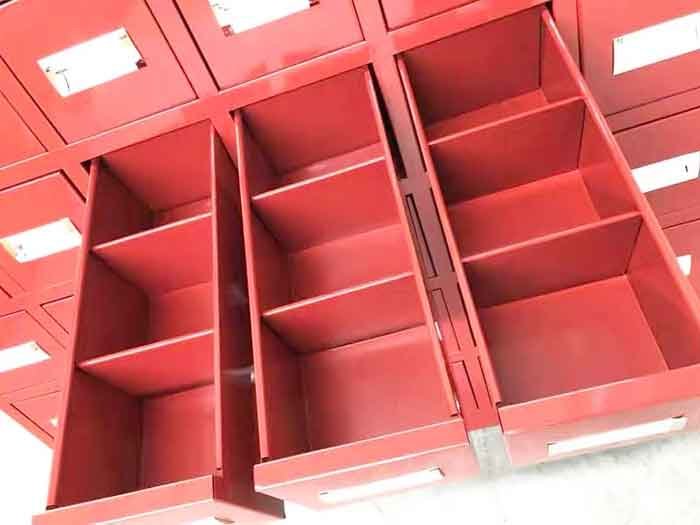
Steel herbal cabinets offer modular designs. Adjustable shelves, lockable compartments, and corrosion-resistant coatings cater to diverse herb storage needs. Stainless steel cabinets support heavy loads without sagging, ideal for bulk botanicals. Wooden herbal cabinets allow artistic customization but lack structural flexibility. Overloading shelves risks collapse, and wood grain can trap residues. Steel herbal cabinets adapt to evolving storage demands with minimal modifications.
Cost and Sustainability
Initial costs favor wooden herbal cabinets. They are cheaper upfront but incur higher maintenance and replacement expenses. Steel herbal cabinets demand a larger initial investment but reduce long-term costs through durability and low upkeep. Sustainability-wise, steel is recyclable and often made from recycled materials, aligning with eco-friendly practices. Wooden cabinets, if sourced unsustainably, contribute to deforestation. For cost-conscious herbalists, steel herbal cabinets deliver better lifetime value.
Steel vs. Wooden Herbal Cabinets |Comparison Table
| Feature | Steel Herbal Cabinets | Wooden Herbal Cabinets |
|---|---|---|
| Durability | High (corrosion-resistant) | Moderate (prone to warping) |
| Hygiene | Excellent (non-porous) | Fair (requires sealing) |
| Maintenance | Low (easy cleaning) | High (sanding/repainting) |
| Customization | High (modular designs) | Limited (fixed structures) |
| Lifespan | 20+ years | 5-15 years |
| Sustainability | Recyclable materials | Depends on sourcing |
Conclusion
Steel herbal cabinets outperform wooden herbal cabinets in durability, hygiene, and long-term value. While wooden cabinets offer traditional appeal, steel options provide unmatched protection for medicinal herbs. Herbalists prioritizing safety, efficiency, and cost-effectiveness should choose steel herbal cabinets. For those valuing aesthetics over functionality, wooden cabinets remain viable—but require vigilant upkeep. Invest wisely to preserve your botanical treasures.