How to Choose the Perfect Stainless Steel Herb Cabinet for Your Clinic: A Guide to Durability, Capacity & Style
In today’s evolving healthcare landscape, medical practices ranging from traditional Chinese medicine clinics to integrative health centers require sophisticated storage solutions that balance functionality, durability, and professionalism. The selection of an appropriate stainless steel herb cabinet represents a crucial decision that impacts not only the preservation of medicinal herbs but also the operational efficiency and professional image of your practice. This comprehensive guide will walk you through the essential considerations for selecting the ideal herb cabinet that meets your specific medical practice needs while ensuring compliance with healthcare standards.
Understanding the Importance of Material Quality in Medical Storage
The foundation of any superior herb storage solution lies in its material composition. Stainless steel has emerged as the preferred choice for medical practices due to its exceptional properties that directly address the unique challenges of healthcare environments:
Key Benefits of Stainless Steel in Medical Settings
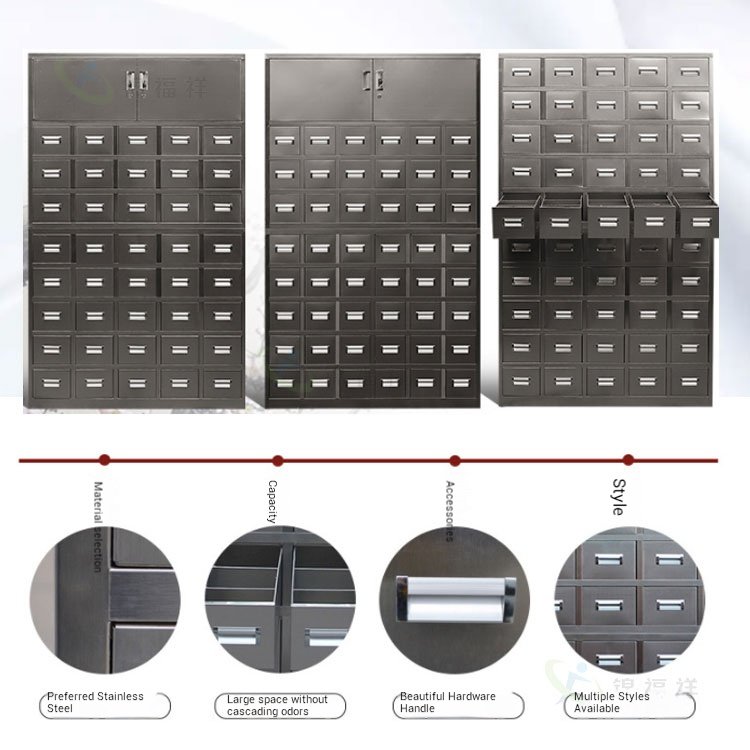
- Corrosion Resistance: Medical environments often involve exposure to moisture, cleaning agents, and various substances that can deteriorate inferior materials. Stainless steel’s inherent resistance to corrosion ensures longevity and maintains the cabinet’s appearance and functionality over years of use.
- Hygienic Properties: The non-porous surface of stainless steel prevents bacterial growth and facilitates thorough cleaning and sterilization—a critical consideration in healthcare settings where cross-contamination must be minimized.
- Durability and Longevity: Unlike wood or plastic alternatives that may warp, crack, or degrade over time, stainless steel cabinets maintain their structural integrity even under heavy daily use, representing a wise long-term investment for your practice.
- Professional Aesthetics: The sleek, modern appearance of stainless steel conveys professionalism and attention to detail, enhancing your practice’s image and inspiring confidence in patients seeking your services.
Essential Factors to Consider When Selecting Your Herb Cabinet
1. Capacity Requirements and Space Optimization
The first consideration in selecting an herb cabinet is determining your capacity needs based on your practice’s specific requirements:
Assessing Your Herb Inventory:
- Conduct a thorough inventory of your current herb collection, accounting for both frequently used items and specialty herbs that may be needed less regularly.
- Project future growth of your herb inventory to ensure your selected cabinet can accommodate expansion without requiring premature replacement.
- Consider the various forms of herbs you store—whole herbs, powders, tinctures, or prepared formulations—as each may require different storage configurations.
Space Planning Considerations:
- Measure the available space in your practice area, accounting for clearance needed for cabinet doors and drawers to open fully.
- Consider vertical space utilization, especially in smaller practices where floor space is at a premium.
- Evaluate traffic flow patterns to ensure cabinet placement doesn’t impede staff movement or patient access.
2. Organization and Accessibility Features
Efficient organization is paramount in a medical setting where time is valuable and accuracy is critical:
Drawer and Compartment Configuration:
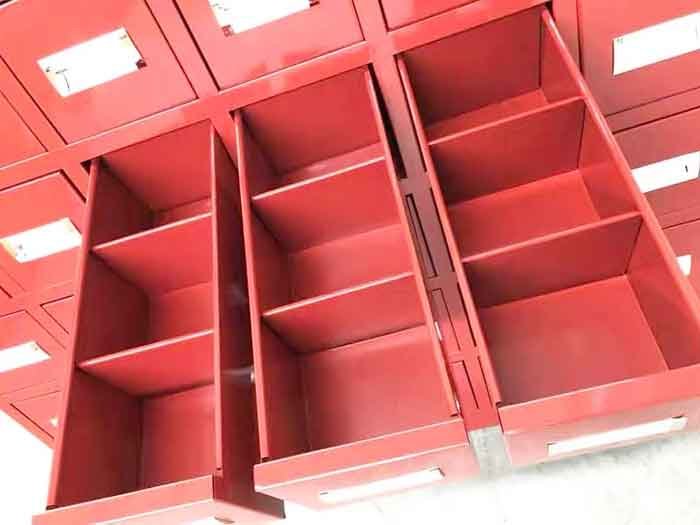
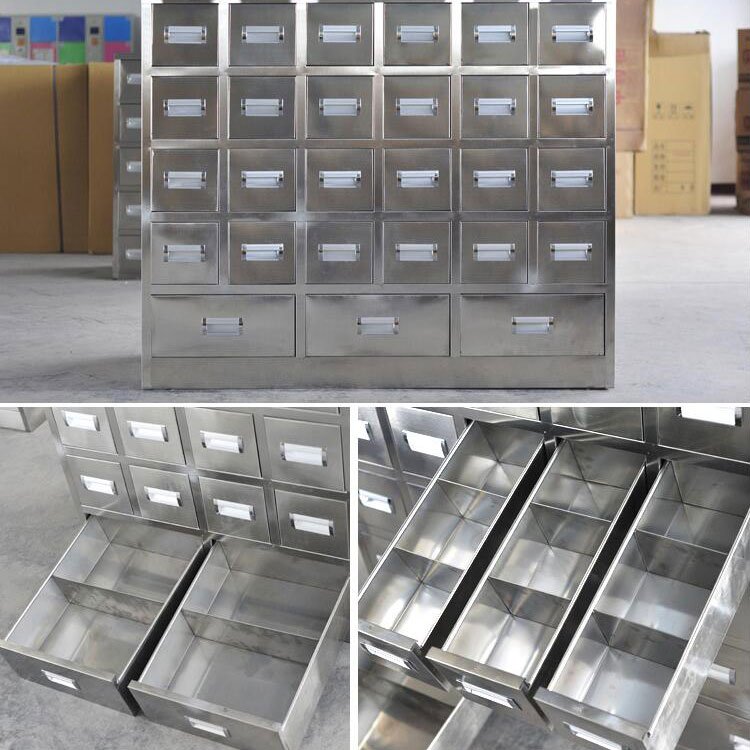
- Look for cabinets with multiple drawer sizes to accommodate different herb quantities and forms.
- Consider cabinets with removable dividers that allow customization of compartment sizes based on your specific needs.
- Evaluate the smoothness of drawer operation—high-quality slides ensure easy access even when drawers are fully loaded.
Labeling and Identification Systems:
- Opt for cabinets with integrated labeling systems that support both traditional and modern identification methods.
- Consider visibility features such as transparent drawer fronts or labeling areas that allow quick identification of contents.
- Evaluate whether the cabinet design supports barcode or RFID systems if you use digital inventory management.
3. Security and Compliance Considerations
Medical practices must balance accessibility with security and regulatory compliance:
Security Features:
- Assess whether your practice requires locking mechanisms to control access to certain herbs, particularly controlled substances.
- Consider cabinets with centralized locking systems that secure multiple compartments simultaneously.
- Evaluate the robustness of locking mechanisms to ensure they provide adequate security for your practice’s needs.
Regulatory Compliance:
- Research specific storage requirements that may apply to your practice type and location.
- Consider whether the cabinet design supports documentation of storage conditions, particularly for herbs requiring specific environmental controls.
- Evaluate whether the cabinet materials and construction meet healthcare facility standards for safety and hygiene.
Advanced Features That Enhance Practice Efficiency
Environmental Control Capabilities
For practices storing sensitive herbs that require specific environmental conditions:
- Humidity Control: Some advanced cabinets offer integrated humidity control systems that maintain optimal moisture levels to preserve herb potency.
- Temperature Regulation: Consider whether your herbs require temperature-controlled storage and whether the cabinet can accommodate or integrate with such systems.
- Light Protection: Evaluate the cabinet’s ability to protect light-sensitive herbs from degradation, particularly if the cabinet will be placed in a brightly lit area.
Integration with Practice Management Systems
Modern medical practices benefit from storage solutions that integrate with broader management systems:
- Inventory Management Compatibility: Assess whether the cabinet design supports integration with digital inventory tracking systems.
- Documentation Features: Consider cabinets that facilitate documentation of herb storage conditions, access logs, and usage tracking.
- Automation Potential: Evaluate whether the cabinet can accommodate future automation features as your practice evolves.
Making the Final Decision: A Step-by-Step Approach
Step 1: Conduct a Needs Assessment
Begin by thoroughly documenting your practice’s specific requirements:
- Create a comprehensive inventory of all herbs currently stored in your practice.
- Categorize herbs by frequency of use, storage requirements, and value.
- Document any specific regulatory requirements that apply to your practice type.
- Assess available space and consider future expansion plans.
Step 2: Research Available Options
With your requirements clearly defined, research available options:
- Consult with industry colleagues about their experiences with different cabinet systems.
- Review product specifications from multiple manufacturers to compare features and benefits.
- Consider both standard and custom solutions based on your specific needs.
- Evaluate manufacturer reputations and customer service records.
Step 3: Evaluate Total Cost of Ownership
Look beyond the initial purchase price to evaluate the total cost of ownership:
- Consider the expected lifespan of different cabinet options.
- Factor in maintenance requirements and associated costs.
- Evaluate energy efficiency if considering cabinets with environmental control features.
- Assess potential productivity gains from improved organization and accessibility.
Step 4: Make Your Selection and Plan Implementation
Once you’ve selected the ideal cabinet for your practice:
- Plan the installation process to minimize disruption to practice operations.
- Develop a transition plan for moving herbs from existing storage to the new cabinet.
- Train staff on proper use and maintenance of the new system.
- Establish protocols for ongoing inventory management and cabinet maintenance.
Selecting the ideal stainless steel herb cabinet for your medical practice represents more than a simple equipment purchase—it’s an investment in the quality of care you provide, the efficiency of your operations, and the professional image you project to patients. By carefully considering the factors outlined in this guide and selecting a cabinet that meets your specific needs, you’re positioning your practice for long-term success and growth.
Remember that the right herb cabinet will serve your practice for many years, making it essential to choose wisely based on thorough research and careful consideration of your unique requirements. With the proper storage solution in place, you’ll enhance herb preservation, improve practice efficiency, and create an environment that supports the highest standards of patient care.